Chapter 03 · Experiences

No. 06
History and heritage
The furnace that answered the Black Ships
黒船に備えた反射炉
Perry's ships arrive in 1853; four years later an Izu magistrate is casting iron cannon. The World Heritage furnace, then the battery on the Jogasaki cliffs.
時刻表Timetable
- 所要Duration
- 5–6 hours
- 季節Season
- All year.
- 人数Group
- 1–12 guests · Ages 8 and up
- 移動Getting there
- Transportation by car and a bilingual guide will be arrangedCome in your own carBy trainThe hire company bills you directly; our fee is for the guiding.Travel by train or in your own car. If you'd rather be driven, we book a private car with a licensed driver, and the hire company bills you directly.
- 集合Meeting point
- Atami Station or Mishima Station.
- 料金Price
- Guide fee, from ¥5,000 each with your stay
Add a paid tour and the stay is 10% less; discounts don't combine
Reserve
Choose a day, and book it
Finding the open days…
The story
When Perry's ships arrived in 1853, an Izu magistrate began building a furnace to cast iron cannon, and four years later it was working. The Nirayama Reverberatory Furnace is now a World Heritage Site. We pair it with the battery the same story left on the Jogasaki coast: one answer, inland and by the sea.
When Perry's ships appeared in 1853, the Nirayama magistrate Egawa Hidetatsu set out to build a furnace that could cast iron cannon. Work began near Shimoda, moved inland when sailors from Perry's fleet walked onto the site, and was finished by his son in 1857. It is the only furnace in Japan that actually made cannon and still stands.
We see the furnace and its short film, then go on to the Jogasaki coast by hire car or your own car and walk the cliff path past a battery built in the same years, to stand where the guns once faced the sea.
The World Heritage furnace at Nirayama, then the battery the same story left on the Jogasaki coast: one answer to the Black Ships, inland and by the sea.
路線図
The route
Times are a guide; the day bends to the weather.
Start
Nirayama Reverberatory Furnace
韮山反射炉
1 h 15 min
The twin brick chimneys and the guidance centre's film.
+1:15
Lunch on the way
道中でお昼
1 h
You pay the restaurant.
+2:15Finish
The Jogasaki cliff path
城ヶ崎の崖の道
1 h
From the fishermen's hut past the battery to the suspension bridge.
Photographs 2
We never photograph other visitors' faces.
Good to know
Included
- Your host as guide, in English or Japanese
- A route planned around your group and the weather
- Help booking tickets and restaurant tables
Not included
- Travel: train fares, fuel and tolls for your own car, or the hire car
- Admissions, boats and workshops, paid on the day
- Meals and drinks
- Price
- Guide fee per person, tax included. With your stay: ¥10,000 for one guest, ¥7,500 each for two, ¥5,000 each for three to twelve. Tour only: ¥10,000 each, for two guests or more. Admissions, partner fees, meals and travel are paid on the day. Book a paid tour with your stay and the stay itself is 10% less (you always get the single best discount). Groups of seven or more, please book 10 days ahead.
- Meeting point
- Atami Station or Mishima Station.
- Ages
- Ages 8 and up
- Weather
- Fuji, the stars and the fireworks depend on the sky; we tell you the evening before if it's worth going.
- Cancellation
- Guide fees follow the stay's cancellation tiers. Partners' own terms apply to theirs.
On the mapF3
Nirayama Reverberatory Furnace · About 11 km from the house
Sources
- 01
Work on the Nirayama Reverberatory Furnace began in 1854; it was completed and working in 1857, built to make cannon.
Source: pref.shizuoka.jp (opens in a new tab) - 02
Nirayama is the only surviving reverberatory furnace in Japan that actually made cannon, inscribed in July 2015 as part of the Sites of Japan's Meiji Industrial Revolution.
Source: pref.shizuoka.jp (opens in a new tab) - 03
The furnace was planned by the Nirayama magistrate Egawa Hidetatsu (Tan'an) after Perry's arrival in 1853; it was first begun near Shimoda, moved inland after sailors from Perry's fleet entered the site in March 1854, and finished by his son Hidetoshi with help from Saga engineers in November 1857.
Source: city.izunokuni.shizuoka.jp (opens in a new tab) - 04
The Jogasaki picnic path from Bora Naya to the Kadowaki bridge takes about 25 minutes and passes the Futo fish-watching hut and a battery from the end of the shogunate; Bora Naya, a fishermen's hut built for the Edo-period mullet fishery, now serves meals.
Source: itospa.com (opens in a new tab)
Ask us about a date.
Tell us the day, who's coming and what you'd like to see. Your host replies within a few hours, in English or Japanese.
More like this
All 41 experiences- 黒船No. 09 · History and heritageShimoda: where Japan openedPhotographs coming soon
Shimoda: where Japan opened
No. 09Shimoda: where Japan opened
- Duration
- About 8 hours (a long day)
- Season
- Getting there
- By train · Transportation by car and a bilingual guide will be arranged
- Price
- Guide fee, from ¥5,000 each with your stay
- Map
- F6
The hire company bills you directly; our fee is for the guiding.
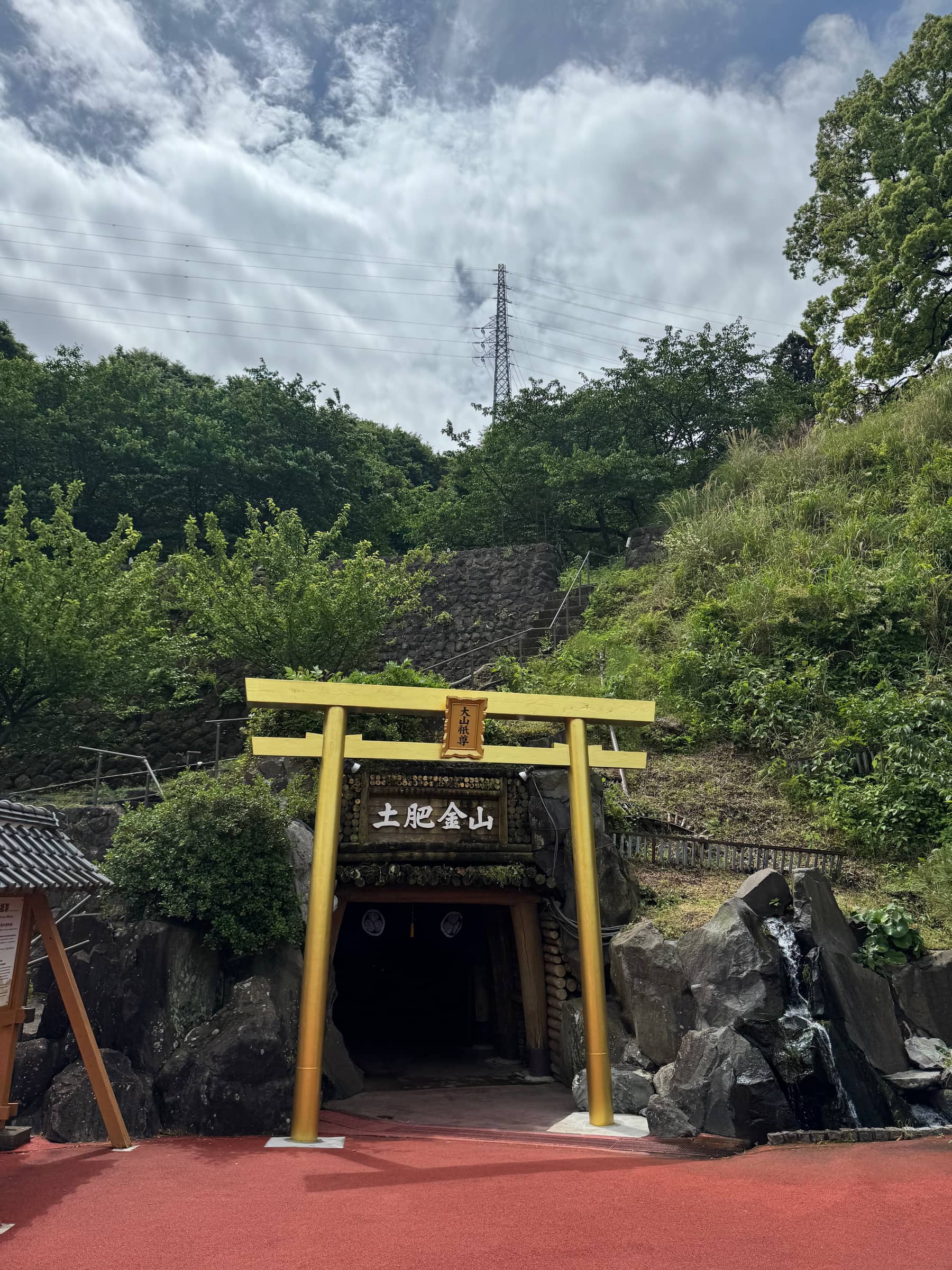 No. 04
7–10 hours
Shizuoka history day
No. 04Shizuoka history day
- Duration
- 7–10 hours
- Season
- Getting there
- Transportation by car and a bilingual guide will be arranged · Come in your own car
- Price
- Guide fee, from ¥5,000 each with your stay
- Map
- F3
The hire company bills you directly; our fee is for the guiding.
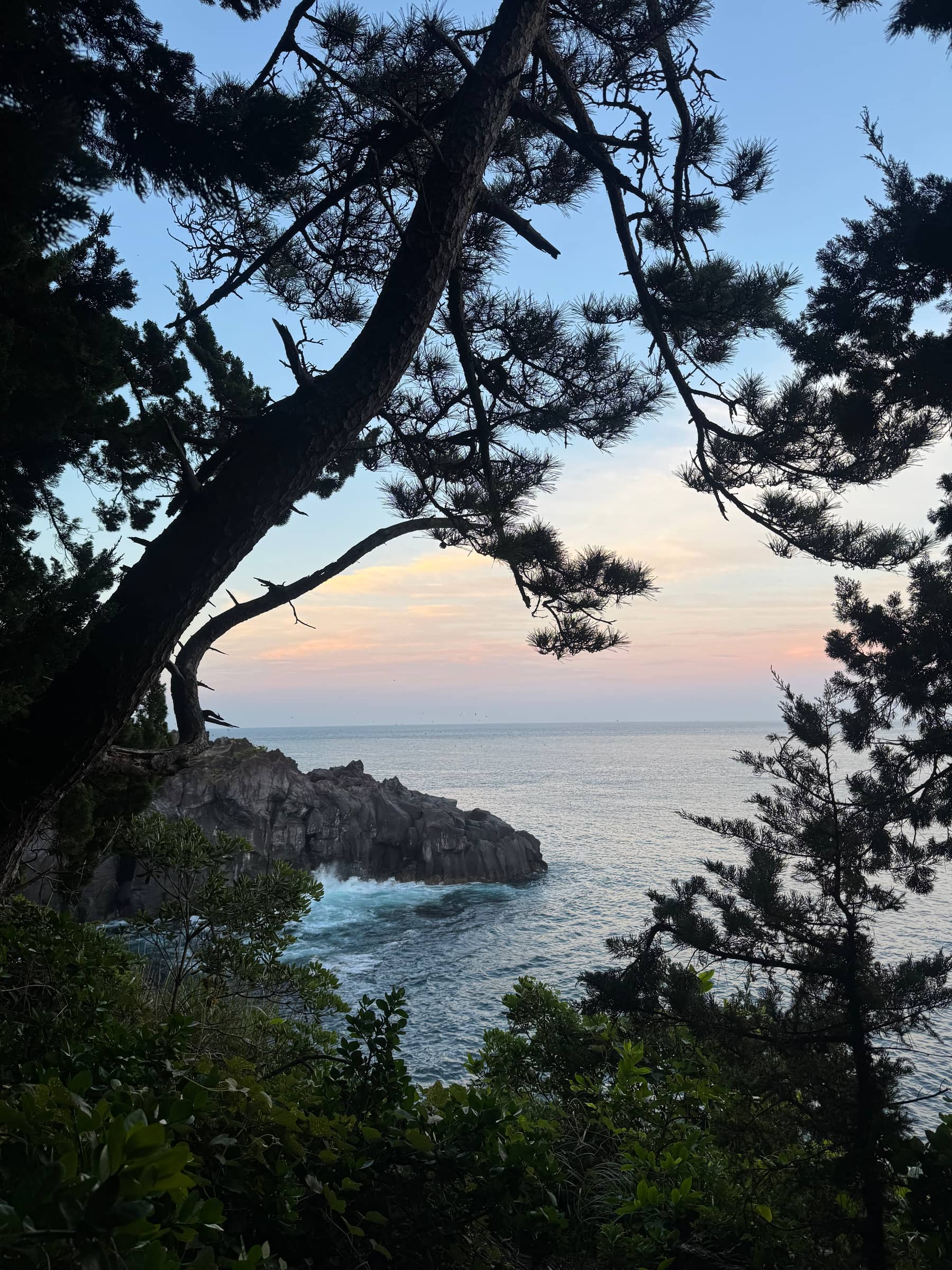 No. 13
About 4 hours
Jogasaki at dusk
No. 13Jogasaki at dusk
- Duration
- About 4 hours
- Season
- Getting there
- By train · Come in your own car
- Price
- Guide fee, from ¥5,000 each with your stay
- Map
- H5

